
When Craft Becomes a Trend: What’s at Stake?
Fashion’s impact goes beyond carbon and waste. It can uplift communities, preserve heritage, and strengthen local economies. But when treated lightly, it can also concentrate value elsewhere and leave makers carrying the downside.
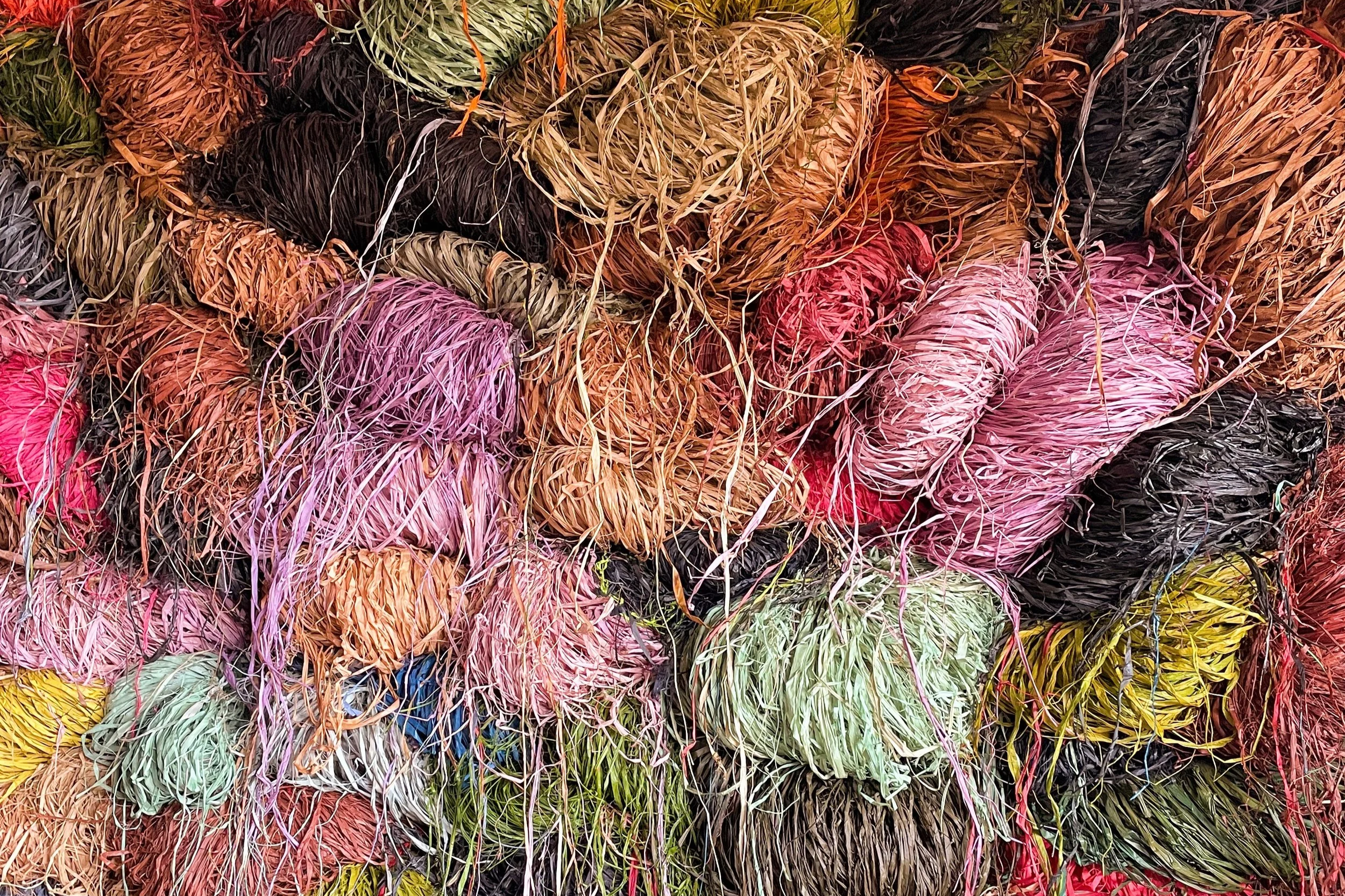
In Madagascar, many women are currently finding income through raffia craft; the material itself becoming synonymous with women empowerment. It is a beautiful movement and a real economic driver, if the work is paid fairly. Still, it can also be a double-edged sword. A rapid rise can become a rapid decline when a “hot” material cools, margins tighten, or cheaper substitutes enter the market.
Today, Madagascar is increasingly visible in the global craft and fashion conversation, but it is also often reduced to one keyword: raffia. Not just as a fiber, but as a trend label. A term used across the market, including by fast fashion.
That is where things get complicated.
Raffia is not a trend here. It is a world.
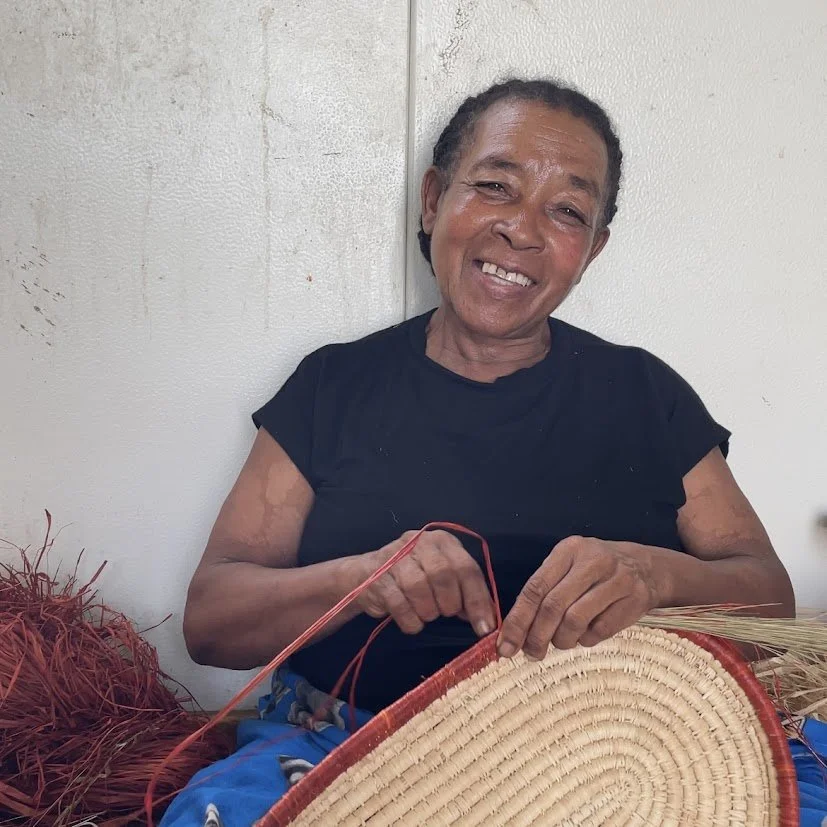
Raffia is not just a material. In Madagascar, it carries cultural weight, deep technical know-how, and livelihoods. It exists beyond accessories and home decor. It has been practiced for generations and has become a pillar of the craft economy, supporting and empowering artisans, ateliers, and families.
So the question comes naturally:
Is the popularity of raffia a good thing?
In the short term, it can be. When demand is high, workshops expand, skills spread quickly, and income opportunities grow. But when a culturally rooted craft becomes a global keyword, it can also be extracted, replicated, mass produced, and detached from the people who built the know-how. Too often, the material leaves the source country while much of the value creation happens elsewhere.
And when demand shifts, it is usually the makers who absorb the shock.
The real question is who carries the risk.
If the market shifts toward cheaper substitutes or mass produced versions, who carries the risk?
Most of the time, artisans do.
This is why “empowerment” cannot be a seasonal narrative attached to a product line. It cannot be something we claim when sales are strong and forget when trends change. We cannot empower people by teaching a skill that benefits the market today without a plan for what happens when it is no longer profitable or desirable to buyers. Even when intentions are good, that becomes short-term extraction.
Empowerment is not what happens when demand is high. Empowerment is what remains if it fades.
What real empowerment looks like
Real empowerment is not a promise to exist forever. It is a commitment to leave artisans more resilient, even if a brand pivots, slows down, or disappears.
That means partnerships built for more than one season. It means fair pricing and stable ordering practices so growth is not built on volatility. It means skill diversification so livelihoods are not tied to one material, one product, or one buyer. It also means capacity-building beyond production, so makers gain knowledge and tools that transfer across markets and categories.
If a brand cannot outlast a trend, the benefit for artisans still should.
Planning for evolution is a shared responsibility
Building resilience is not only the job of artisans. It requires brands, consumers, industry actors, and policy makers.
Brands: commitment beyond trend-chasing
For brands, working with artisans cannot follow the same logic as trend-driven production.
Many brands today are built in an environment shaped by speed. With mass manufacturing, it is possible to test an idea quickly, scale it rapidly, and move on just as fast. When demand fades, production shifts elsewhere. The system is designed for flexibility.
Artisan ecosystems are not.
When a brand chooses to work with artisans, it steps into a system where decisions carry weight beyond a single collection. Orders affect livelihoods. Design choices influence techniques. Volume expectations shape how materials are harvested and how time is allocated. Even small decisions can have outsized consequences.
Yet sometimes, brands enter this space without fully understanding the extent of their impact, especially those born from trends or momentary market opportunities.
Indeed, long-term commitment sounds terrifying because no one knows what the future holds. But remember the saying “leave a place better than when you came”? That should be the mentality with which we approach “empowerment”.
Commitment, in this context, is not about staying forever. It is about entering responsibly. It means understanding the scale of one’s influence, planning beyond a single season, acknowledging that artisan work cannot be turned on and off like a factory line, and most importantly, having a long-term plan that leaves artisans better off even if orders slow down or if a brand pivots.
Working with artisans asks for a different kind of discipline: slower growth, clearer communication, and accountability for the ripple effects of each decision.
Because once a brand participates in an artisan ecosystem, it becomes part of its reality whether it intends to or not.
And if a brand benefits when craft is popular, it has a responsibility when the market shifts.
Long-term commitment can look like relationships that continue beyond a single capsule collection, ordering practices that are predictable, and pricing structures that do not collapse at the first sign of margin pressure. It also means reducing the operational risks artisans often carry, such as sudden cancellations, unrealistic lead-times, and last-minute changes that leave makers with sunk time and materials.
Lastly, it means investing in skills that outlive one trend. Not only “raffia bags,” but also finishing, quality standards, pattern reading, pricing literacy, design iteration, and other transferable capabilities that strengthen independence over time.
Consumers: rewarding continuity
Consumers have more power than they think, especially in the craft space. Supporting brands with long-term maker relationships and transparent practices helps shift incentives away from short-term storytelling. Asking better questions also matters: Who made it? Where is the value created?
Platforms and industry actors: building resilience by design
Platforms can reduce dependency by widening access. When artisans can reach multiple buyers and markets, a slowdown from one brand does not become a crisis. Industry actors can also support quality systems, production planning, and training that helps makers compete and elevate.
This is where ecosystems like Tamalà and TananaLAB can play a role, not by promising permanence, but by building capabilities and market access that endure.
Policy makers: protecting heritage and value creation
Policy does not have to be heavy handed to be meaningful. Recognizing key crafts and techniques as heritage can justify support and protection. Strengthening craft identity protection can help prevent “Madagascar raffia” from becoming an unprotected label detached from origin. Encouraging more value creation locally, alongside fair standards and investment in craft infrastructure, can help artisans compete without being pushed into a race to the bottom.
If we are serious about empowerment, we plan for the after.
If craft is treated as a trend, makers carry volatility while others capture value. If craft is treated as heritage and livelihood, success means building systems that last beyond one hot moment.
Empowerment is not the peak. Empowerment is the resilience that remains after the peak and it’s on all of us to make it happen.
Disclosure: This article was authored by Jessica Randrianavony and edited with the assistance of AI for readibility and structure.